
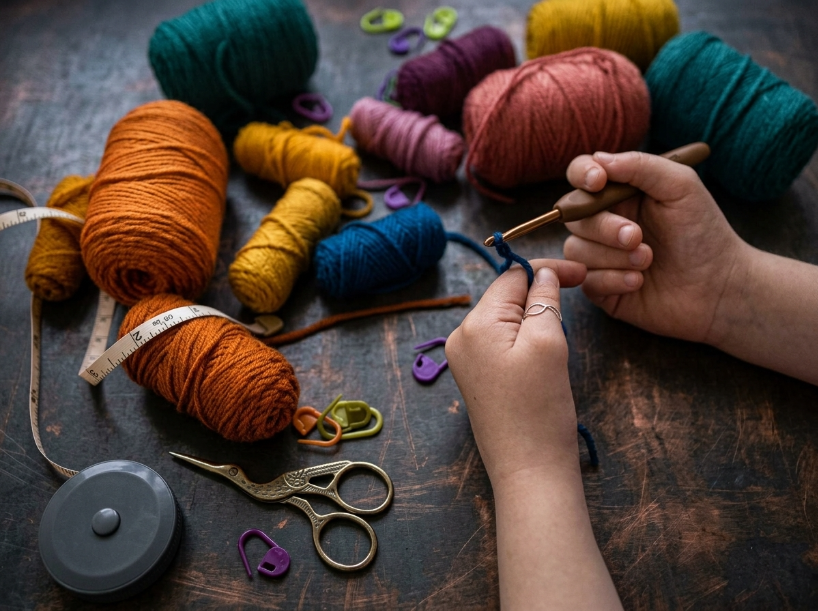
Teaching a child to crochet requires tools that match their hand size and motor control, not scaled-down versions of adult equipment. A hook that feels comfortable in an adult’s grip can be too long or too heavy for a child’s smaller hand, and yarn that works well for advanced stitchers can frustrate a beginner who is still learning to maintain consistent tension.
- Main Steps
- Comparison / Options
- Common Mistakes
- Troubleshooting
- Questions You Might Still Have
- Q: What is the easiest way to teach a child to crochet for the first time?
- Q: How long does it take a child to complete their first crochet project?
- Q: What hook size and yarn weight should a child use when starting crochet?
- Q: What are the most common mistakes when teaching a child to crochet?
- Q: How do I fix it if a child drops stitches at the end of a row?
- Q: Is there a faster method for a child’s first project?
The Short Answer
A size H/8 (5mm) ergonomic hook paired with worsted-weight yarn is a useful starting point for many children, but the best size depends on the child’s hand size, yarn, tension, and project. Blunt-tip yarn needles are useful when the child is ready to weave in ends. These tools can help reduce hand fatigue, show stitch definition clearly, and avoid sharp edges. The best combination ultimately depends on the child’s hand size, comfort, and the type of yarn and project being used.
Main Steps
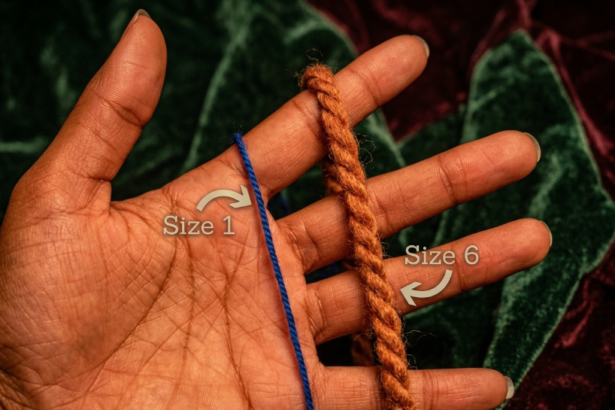
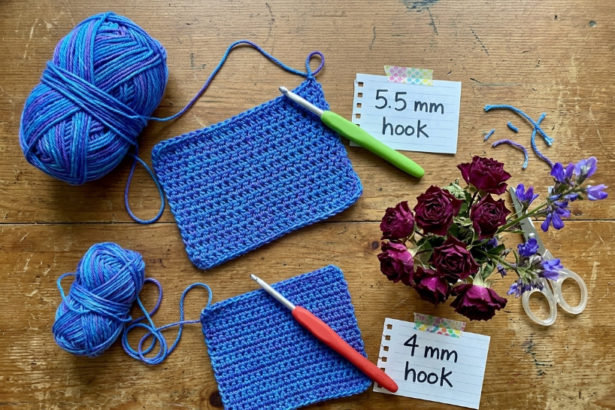
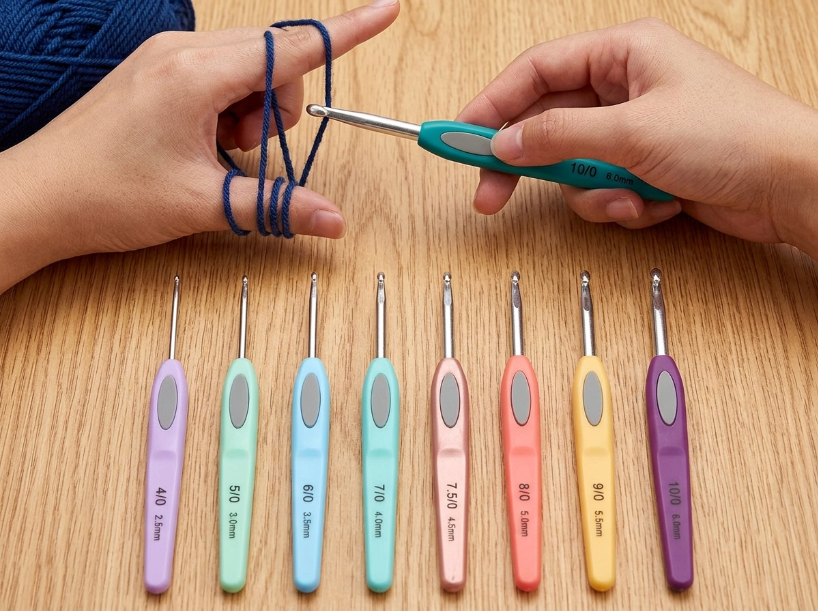
The first decision is hook size. Many children learn well with a hook between G/6 (4mm) and K/10.5 (6.5mm), because these sizes are generally large enough to show each stitch clearly without requiring the fine motor control that smaller hooks demand. An H/8 (5mm) hook paired with worsted weight yarn creates stitches that are usually easy to see and count, which matters when a child is still learning to recognize the top loop of a stitch versus the side of the previous row. Larger hooks and thicker yarn can help reduce the number of tiny adjustments a child needs to make while forming each stitch.
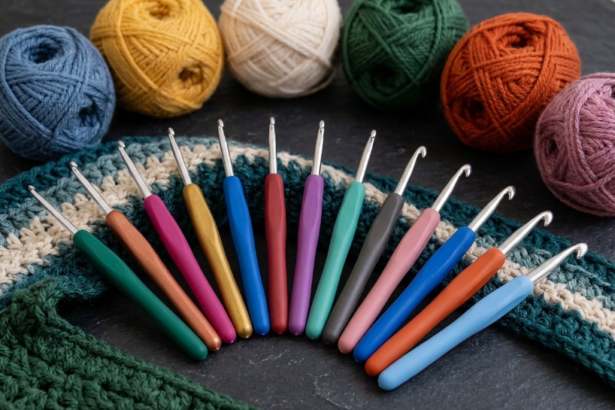
Ergonomic hooks with soft rubber grips can reduce hand fatigue and provide better control for small hands. A child who grips the hook tightly may find a cushioned grip more comfortable during longer sessions than a smooth aluminum hook. That said, some children find rubber grips too thick and prefer the slimmer profile of a bamboo hook, which is warmer to hold and less slippery than metal. If your child complains that the hook feels awkward or heavy, trying a different hook material or grip may improve comfort before changing the child’s technique. Kid-Safe Crochet Tools: The Essential Beginner’s Guide covers grip styles and hook materials in more depth if you are comparing multiple options.
Blunt-tip yarn needles are generally a safer choice than sharp needles when a child is learning to weave in ends. A blunt tip can still pass through acrylic yarn without snagging, and it minimizes the risk of puncturing skin if the child slips while pulling the needle through fabric. Rounded-tip children’s scissors can be used for cutting yarn, but young children should use them with appropriate adult supervision. Safety note: For toys intended for children under 3, avoid detachable small parts such as plastic safety eyes. Embroidered or crocheted facial features are a safer design choice. For older children, follow the component manufacturer’s age guidance, attach components securely, and inspect the finished toy regularly for loose or damaged parts.
| Step | What to do | Watch out for |
|---|---|---|
| Choose hook size | Start with H/8 (5mm) for worsted weight yarn | A hook that is too large for the chosen yarn can create loose fabric and make stitches harder to control |
| Select yarn | Use worsted weight (size 4) acrylic in a light color | Dark yarn hides stitch definition, fuzzy yarn tangles easily |
| Add stitch markers | Use locking markers to track the first stitch of each row | Clip-on markers can fall off, coil markers can distort stitches |
| Prepare accessories | Provide blunt-tip yarn needles and rounded-tip scissors | Sharp needles and pointed scissors increase injury risk |
Comparison / Options
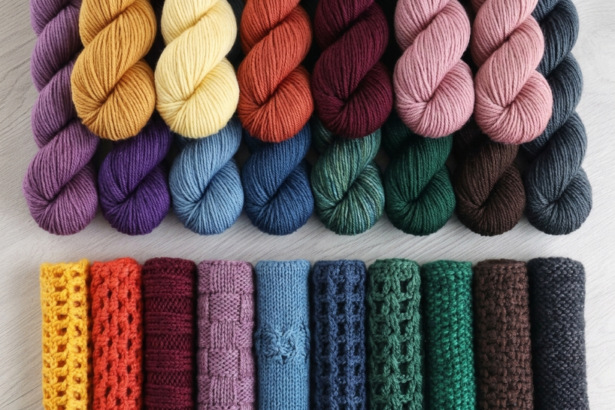
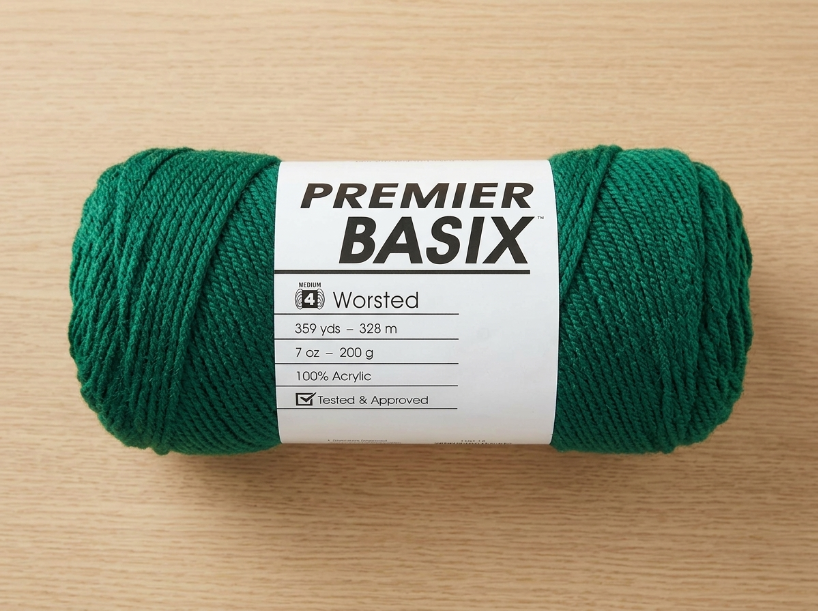
Worsted weight acrylic is a common recommendation for children because it is generally machine-washable, durable, and relatively affordable. Many smooth acrylic yarns show stitch definition clearly, which helps a child see whether they have worked into the correct loop or skipped a stitch by accident. Smooth acrylic yarns can be forgiving for beginners because they are often easy to unravel and reuse when a child needs to correct a mistake. In practice, the characteristics of smooth acrylic yarn can make it relatively forgiving when tension is uneven, which is common in the first few projects.
Cotton yarn holds its shape better than acrylic, making it a good choice for structured projects like dishcloths or small bags. Cotton generally stretches very little over time, helping finished pieces maintain their dimensions. The catch is that cotton can feel stiff and rough on the hands during a long session, and it can split more easily when a child pulls the yarn too tightly or works into the wrong part of a stitch. If hand fatigue or yarn splitting becomes a problem, a cotton-acrylic blend offers similar definition with slightly more give.
Aluminum hooks are lightweight and affordable, which makes them a practical starting point for many children. The smooth surface allows yarn to slide easily, which can reduce friction during practice sessions. Even so, aluminum can feel cold to hold, and the slick surface can make it harder for a child to maintain a consistent grip if their hands are sweating or if they are gripping too tightly. Bamboo hooks are warmer to hold and less slippery than metal, giving a child more control over the hook’s position. If your child is dropping stitches frequently or complaining that the hook feels slippery, Bamboo may help if the child finds a metal hook too slippery.
Common Mistakes
Most guides recommend starting with single crochet because it is the shortest basic stitch and requires the fewest steps to complete. This advice is helpful for children who are still learning to hold the hook and yarn at the same time, because single crochet reduces the number of yarn-overs and loop pulls the child needs to remember. That said, some children find the repetitive motion of single crochet boring. If your child is motivated by seeing progress quickly, starting with half double crochet creates a taller stitch that works up faster, even though it requires one extra yarn-over.
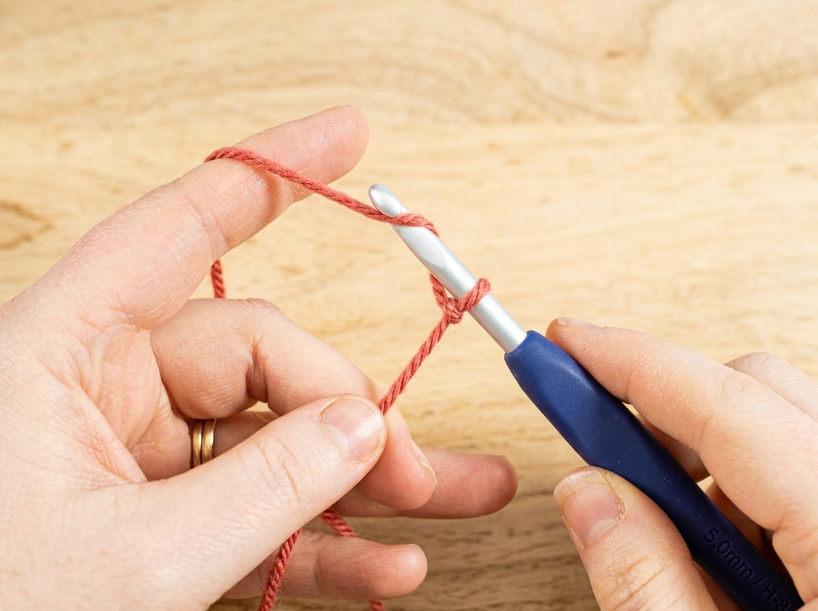
Choosing yarn that is too thin or too dark is a common mistake. Fingering weight yarn shows every tension inconsistency, and the small stitches are difficult for a child to see and count. Dark colors like navy or black hide the top loops of stitches, which makes it harder for the child to identify where to insert the hook for the next stitch. Light or medium colors in worsted weight yarn generally solve both problems at once, as the stitches are large enough to see clearly and the color contrast makes each loop visible.
Starting with a foundation chain that is too tight causes the bottom edge of flat projects to curl inward. A child who is concentrating on forming each chain stitch correctly often pulls the yarn tighter than necessary, creating a stiff, inflexible base row. One approach is to use a hook one size larger just for the starting chain, or to teach the child to work a Foundation Single Crochet (FSC), which eliminates the separate chain row entirely and can create a more flexible bottom edge.
Troubleshooting
If the child’s stitches are uneven in height, the cause is usually inconsistent tension on the working yarn. A child who is gripping the yarn too tightly will create short, tight stitches, while a child who is letting the yarn slide too freely will create tall, loose stitches. One approach is to teach the child to gently wrap the yarn around their pinky finger or to hold the yarn between their ring finger and middle finger, giving them more control over how much yarn feeds into each stitch. If the stitches remain uneven, focus first on relaxing the grip and maintaining a consistent yarn feed rather than trying to correct every stitch individually.
If the child is losing stitches at the end of each row, the cause is usually that they are not counting the turning chain as a stitch. Most single crochet patterns do not count the turning chain, but the child may be skipping the last stitch of the row because they think the turning chain from the previous row is the final stitch. A useful fix is to place a locking stitch marker in the first stitch of each row, giving the child a clear visual reference for where to work the last stitch. That said, if the child is working in the round instead of in rows, the stitch marker should go in the first stitch of the round.
If the child’s hands hurt after 10-15 minutes of crocheting, the cause is usually that they are gripping the hook too tightly or holding it at an awkward angle. A child who is concentrating hard on forming each stitch correctly often tenses their entire hand, straining the muscles in the fingers and wrist. Remind the child to relax their grip and take a break every 10 minutes to shake out their hands. If hand fatigue persists, switching to an ergonomic hook with a wider, cushioned grip distributes pressure more evenly across the hand.
| Mistake | Why it happens | Fix |
|---|---|---|
| Stitches are too tight | Child is gripping yarn too tightly or using a hook that is too small | Use a slightly larger hook, teach yarn-wrapping method for tension control |
| Bottom edge curls inward | Foundation chain is too tight | Use a hook one size larger for starting chain only, or teach Foundation Single Crochet |
| Losing stitches at row ends | Not counting turning chain correctly or missing last stitch | Place locking stitch marker in first stitch of each row |
| Hands hurt after short sessions | Gripping hook too tightly or holding at awkward angle | Switch to ergonomic hook with cushioned grip, encourage frequent breaks |
Questions You Might Still Have
Q: What is the easiest way to teach a child to crochet for the first time?
Start with a slip knot, foundation chain, and single crochet worked in rows. These three techniques cover the core mechanics of holding the hook, wrapping the yarn, and pulling through loops. Many children can learn to form basic stitches with a little practice, though tension and stitch height will naturally vary. Use a light-colored worsted weight yarn and an H/8 (5mm) hook so the child can see each stitch clearly.
Q: How long does it take a child to complete their first crochet project?
A simple dishcloth or small scarf can take a few hours of active crocheting, spread across several short sessions. Progress depends heavily on the child’s interest level, age, and fine motor control. Trying to rush a finished object often leads to hand fatigue and frustration.
Q: What hook size and yarn weight should a child use when starting crochet?
An H/8 (5mm) hook paired with worsted weight (size 4) acrylic yarn is a versatile starting combination. This pairing creates stitches that are large enough to see and count easily without being so loose that the fabric looks sloppy. Children with smaller hands may prefer a G/6 (4mm) hook, while children who are struggling with fine motor control may benefit from a J/10 (6mm) hook.
Q: What are the most common mistakes when teaching a child to crochet?
Starting with yarn that is too thin, too dark, or too fuzzy makes it difficult for the child to see their stitches and identify mistakes. Choosing a hook that is too small can cause the yarn to split, while a hook that is too large creates a loose, sloppy fabric. Finally, skipping stitch markers often leads to dropped stitches at the end of rows.
Q: How do I fix it if a child drops stitches at the end of a row?
Place a locking stitch marker in the very first stitch of every new row. When the child works their way back across the next row, the stitch marker explicitly identifies the final stitch they need to work into before turning the piece.
Q: Is there a faster method for a child’s first project?
Half double crochet creates a taller stitch than single crochet and covers fabric area faster, which can be highly motivating for a child who wants to see quick progress. However, it requires one extra yarn-over, so wait until they are comfortable with basic loop pulls before introducing it.
📅 Last reviewed: August 2026 · This article is reviewed every 12 months.
Summary
Teaching a child to crochet requires tools that accommodate smaller hands and developing motor control. An H/8 (5mm) ergonomic hook, light-colored worsted weight acrylic yarn, and blunt-tip needles create a safe, accessible starting point. Focus on identifying stitches clearly, preventing hand fatigue with frequent breaks, and using stitch markers to avoid dropping stitches. Matching the hook material and grip style to the child’s comfort usually solves early tension problems faster than adjusting their technique.